Author: Ethan Miller

  • The Borrowed Years: Why Britain’s Ageing Population Is Living Longer But Suffering More

    The Borrowed Years: Why Britain’s Ageing Population Is Living Longer But Suffering More

    There is something almost cruel in the headline. Life expectancy is up. Britain is ageing. People are living into their eighties and beyond in record numbers, and somewhere along the way this became a thing we were supposed to celebrate. But strip back the numbers, look at what the ONS actually publishes, and a far darker picture emerges. The years are there. The health, increasingly, is not.

    The UK healthy life expectancy decline is not a projection, not a worry for 2040. It is happening now, quietly and systematically, inside the bodies of millions of people who technically remain alive but who have not felt well in years. I find that genuinely unsettling, in a way that a simple death statistic never quite manages.
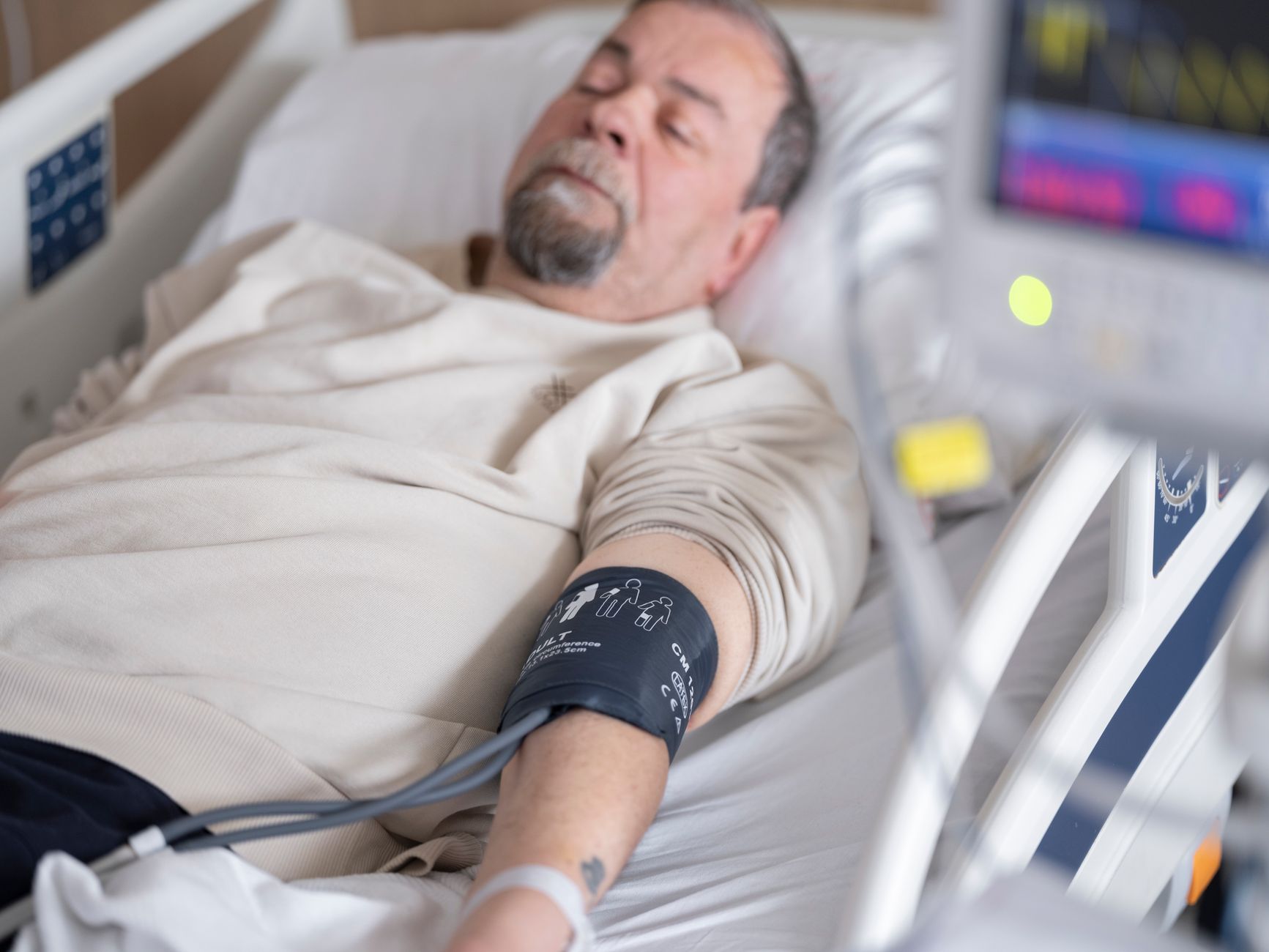
    Elderly patient in hospital ward reflecting the reality behind UK healthy life expectancy decline
    Photo by Engin Akyurt on Pexels

    What the ONS figures actually say

    According to the Office for National Statistics health state life expectancies bulletin for 2020 to 2022, a boy born in the UK can expect to live to around 78.6 years. A girl, to around 82.6. Those are the headline numbers. The ones that get cited, shared, used to suggest progress.

    But healthy life expectancy, defined as the number of years a person can expect to live in “very good” or “good” health, tells a different story entirely. For men, that figure sits at approximately 62.5 years. For women, 63.1. The gap between total life expectancy and healthy life expectancy is therefore roughly 16 years for men and nearly 20 years for women. Two decades, in a woman’s case, spent navigating a body that is working against her. That is not a rounding error. That is a generation of compromised living.

    What those extra years actually look like

    I think people imagine old age as a slow fade, a gradual dimming. The reality, for a substantial portion of the British population, is far more punishing. The NHS long-term conditions data shows that by the time someone reaches their late sixties, the probability of managing at least one chronic condition, whether that is type 2 diabetes, cardiovascular disease, chronic obstructive pulmonary disease, or musculoskeletal pain, is extremely high. By their mid-seventies, many are carrying two or three simultaneously.

    These are not background inconveniences. Chronic pain limits mobility. Cognitive decline erodes independence. Heart failure means entire days organised around breathlessness and fatigue. The NHS currently has around 15 million people in England living with one or more long-term conditions, a figure that consumes around 70 per cent of the NHS budget and continues to grow. That is the real texture of those borrowed years.

    Why healthy life expectancy is falling behind

    Several forces are pulling in the same direction, and none of them are cheerful. Ultra-processed food has restructured British diets in ways that accelerate metabolic disease. Physical inactivity, particularly stark in deprived areas, compounds it. The collapse of preventative care, hollowed out through years of NHS pressure and understaffing, means conditions that might once have been caught and managed early are instead presenting late, badly, with complications already established.

    There is also the inequality dimension, which the ONS data lays bare with particular bleakness. A man living in Blackpool has a healthy life expectancy roughly 19 years lower than a man in the London borough of Richmond upon Thames. Same country. The same NHS in name. But those two men are ageing inside entirely different biological realities, shaped by income, air quality, housing, stress, and access to care. The UK healthy life expectancy decline is not evenly distributed. It falls heaviest on those who already have least.

    The sleeplessness connection nobody talks about

    One thread worth pulling at is how chronic illness and poor sleep form a feedback loop that accelerates physical deterioration. Persistent pain disrupts sleep. Disrupted sleep worsens inflammation, impairs immune function, and raises cardiovascular risk. I wrote about this dynamic recently in a piece on the dark science behind Britain’s worsening insomnia epidemic, and what struck me most was how many of the people worst affected are older adults already managing long-term conditions. The body becomes a system of compounding failures. Each problem makes the others harder to bear.

    The ecosystem around us is also declining

    There is a wider, stranger resonance to all of this too. The degradation of human health does not happen in isolation. Britain’s natural environment is under simultaneous pressure, its biodiversity collapsing in ways that affect air quality, mental health, and the basic psychological restoration that green space provides. I explored some of that in an earlier piece on what Britain’s collapsing biodiversity actually looks like, and there are uncomfortable parallels: systems that look intact from a distance, quietly failing from within.

    Who carries the weight of these borrowed years

    The practical consequences fall on a relatively small number of people. Informal carers, most of them women, most of them in their forties and fifties, who reduce their own working hours or abandon employment entirely to look after ageing parents. The NHS, already operating under structural strain. And the individuals themselves, who perhaps expected retirement to look like something other than a slow negotiation with their own decline.

    There is a cultural silence around this. We speak freely about living longer. We do not speak as readily about what it means to be bedridden at seventy-four, or to lose the ability to leave your terraced house unassisted at seventy-one. The language around ageing in public discourse is relentlessly optimistic, full of active retirees and grey travellers. That is not wrong, exactly, but it is incomplete to the point of distortion.

    Is anything being done about it

    The government’s NHS Long Term Plan identified prevention as a priority, and there are genuinely promising programmes around early intervention for cardiovascular disease and diabetes. But the structural conditions that drive poor health, poverty, inadequate housing, food insecurity, are not medical problems with medical solutions. The pattern of things being quietly shelved in British public life applies here too, in a way. Prevention is underfunded precisely because its successes are invisible, while its costs are immediate.

    What the ONS data tells us, without sentiment, is that Britain is producing more years of human life while producing fewer years worth living fully. The borrowed years are real. They cost something. And right now, the people spending them are largely paying that cost alone.
  • The Quiet Apocalypse: What Britain’s Collapsing Biodiversity Actually Looks Like Up Close

    The Quiet Apocalypse: What Britain’s Collapsing Biodiversity Actually Looks Like Up Close

    There is a particular kind of silence that unsettles you before your brain can name why. I felt it last spring, standing at the edge of a chalk meadow in Wiltshire that my grandfather used to describe as alive with sound. Bees so thick in the clover you could feel their weight on the air. Lapwings cartwheeling overhead. The rasp of grasshoppers underfoot. None of it was there. The field was green. The sky was blue. But something had been subtracted from the world, quietly, without announcement, and what remained felt like a stage set with no actors and no audience.

    That is what UK biodiversity collapse 2026 actually looks and feels like from the ground. Not a disaster film. Not a headline. A subtraction. A slow, eerie evacuation of the living world that most people haven’t noticed yet because it has happened gradually enough to escape memory.

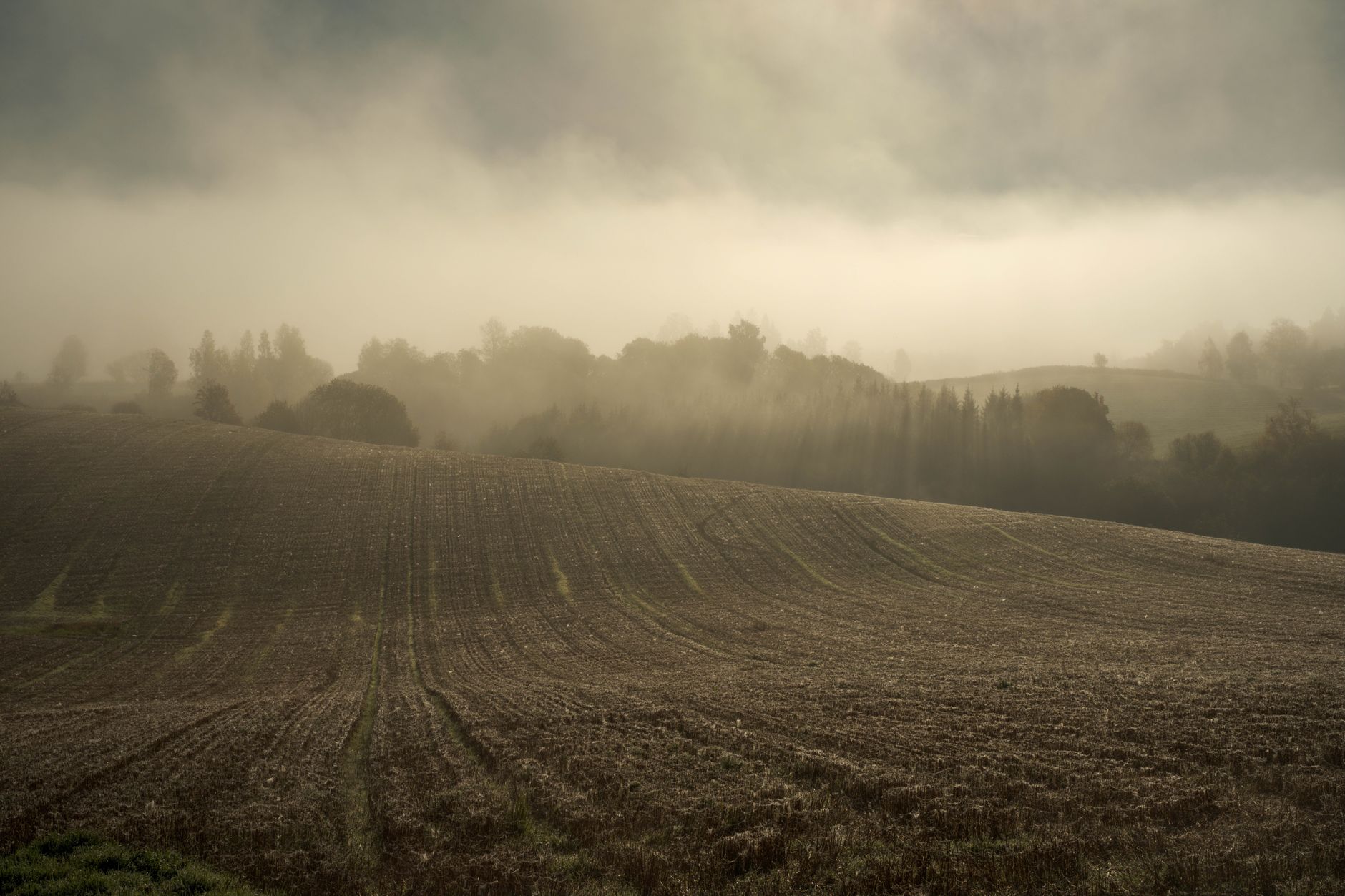
    An eerily empty English chalk meadow at dawn, capturing the silence of UK biodiversity collapse 2026
    Photo by Ludvig Hedenborg on Pexels

    What the numbers say, and what they don’t

    The ONS Natural Capital Accounts have been tracking the degradation of Britain’s ecosystems for years. By their own measures, the UK ranks among the most nature-depleted countries on earth. More than half of all species monitored since 1970 have declined in abundance. Around one in six is now threatened with extinction. Hedgerow length has shrunk by roughly a quarter since the 1980s. Freshwater invertebrate populations, the base of the food web in rivers and streams, have collapsed in many catchments across England and Wales.

    Numbers do not bleed, though. They don’t carry the weight of what is actually gone. The cuckoo, once the sound of an English spring so ordinary it became a cliché, has declined by 68 per cent since 1995. The turtle dove is close to functionally extinct on British soil. Corn buntings, tree sparrows, spotted flycatchers, birds that a generation ago would have seemed unremarkable, are now rare enough that a sighting warrants a note in a journal. The farmland bird index, which the RSPB uses as a broad proxy for rural ecological health, has halved since 1970 and has not recovered in any meaningful way.

    The coast is losing its voice too

    Walk a shingle beach in Kent or Suffolk in June and you might find yourself scanning for little terns. Small, frantic birds, bright white, that used to nest in loose colonies on the stones. Their numbers have been falling for decades. Disturbance, predation from increasing crow and fox populations, and coastal erosion driven by rising sea levels have all pressed in on them at once. I’ve spoken to wardens at Chesil Beach in Dorset who describe entire breeding seasons wiped out by a single high tide. What took tens of thousands of years to establish as a habitat is being unmade in a human lifetime.

    The seagrass meadows off the Welsh coast and in the Solent tell a similar story. These underwater grasslands once nursed juvenile fish, filtered sediment, and sequestered carbon at rates comparable to woodland. By some estimates, Britain has lost over 90 per cent of its seagrass since the early twentieth century. The water above a dead seagrass bed is clear and very still. Beautiful, in the way that an empty room is beautiful.

    Why the countryside feels haunted now

    UK biodiversity collapse 2026 is not just an ecological story. It is a perceptual one. Ecologists call it “shifting baseline syndrome”, each generation accepts the depleted world it inherits as the normal one. My grandfather’s chalk meadow is my baseline of loss. For someone born in 2010, the already-quieter countryside of their childhood is the standard against which further collapse will be measured. The ghost of what was there goes ungrieved because most people never knew it existed.

    This is not comfort. It is the mechanism by which an apocalypse can proceed without anyone declaring an emergency. The silence spreads. The baselines shift. The hedges thin. The moths stop arriving at lighted windows. The slow-worm under the garden slate is simply not there one year, and then not the year after that, and eventually the slate stops being lifted.

    There is a known link between ecological loss and human psychological health, a kind of ambient grief that researchers sometimes call solastalgia, the distress caused by watching your own environment deteriorate. Britain’s worsening sleep and mental health patterns are not disconnected from the world outside the window, however much we might prefer to believe they are. We are animals embedded in an ecosystem, even when we forget it.

    The pressures driving the collapse

    Agricultural intensification since the 1950s restructured the countryside at a pace nature had no mechanism to absorb. Pesticide use eliminated the insect base. Field margins vanished. Ancient hedgerows were grubbed out for efficiency. Then came the development pressure on brownfield and greenfield sites alike, the light pollution that disorients moths and disrupts nocturnal ecology, the plastic load in rivers, the nutrient runoff from agricultural land that turns slow rivers into green soup.

    The government’s post-Brexit Environmental Land Management scheme was supposed to redirect farming subsidies away from simple acreage payments toward genuine ecological outcomes. Progress has been slow, contested, and complicated by agricultural lobbying. Meanwhile, the targets set under the Global Biodiversity Framework signed at COP15 in Montreal, 30 per cent of land and sea protected by 2030, remain aspirational rather than operational for much of the UK. The machinery of protection moves at government speed. The collapse moves faster.

    What is left, and why it matters

    I don’t want to leave this purely as an inventory of loss, though the losses are real and the scale of UK biodiversity collapse in 2026 demands that they be named plainly. Because there are places where the reversal is happening. The Knepp Estate in West Sussex, rewilded over two decades, now carries turtle doves, purple emperor butterflies, and peregrine falcons. The beaver reintroductions on the River Otter in Devon have measurably altered hydrology and increased species diversity downstream. The seagrass restoration work in Pembrokeshire, led by Project Seagrass, has shown that given the chance, these habitats recover with startling speed.

    None of this cancels the scale of what has been lost. But the silence in my grandfather’s meadow is not inevitable. It was made. That means it can be unmade. The question is whether enough people hear it first.