You park in a town centre you half remember, walk towards the shops you used to know, and cannot find them. The street is there. The shutters are there. But the bakery, the department store and the bank on the corner have gone, and nothing has taken their place except a hoarding and a pigeon. This is what UK high street decline ghost towns look like in practice: not a dramatic collapse, but a slow erasure of the reasons to be there.
Hartlepool, Middlesbrough and Grimsby are three places where that erasure has gone furthest in the minds of the people who live there. Each lost its shops, but each also lost something harder to name: the sense that the centre was theirs. I should say plainly that I am writing from the public record and from the evidence of how these places are described, not from a recent visit.
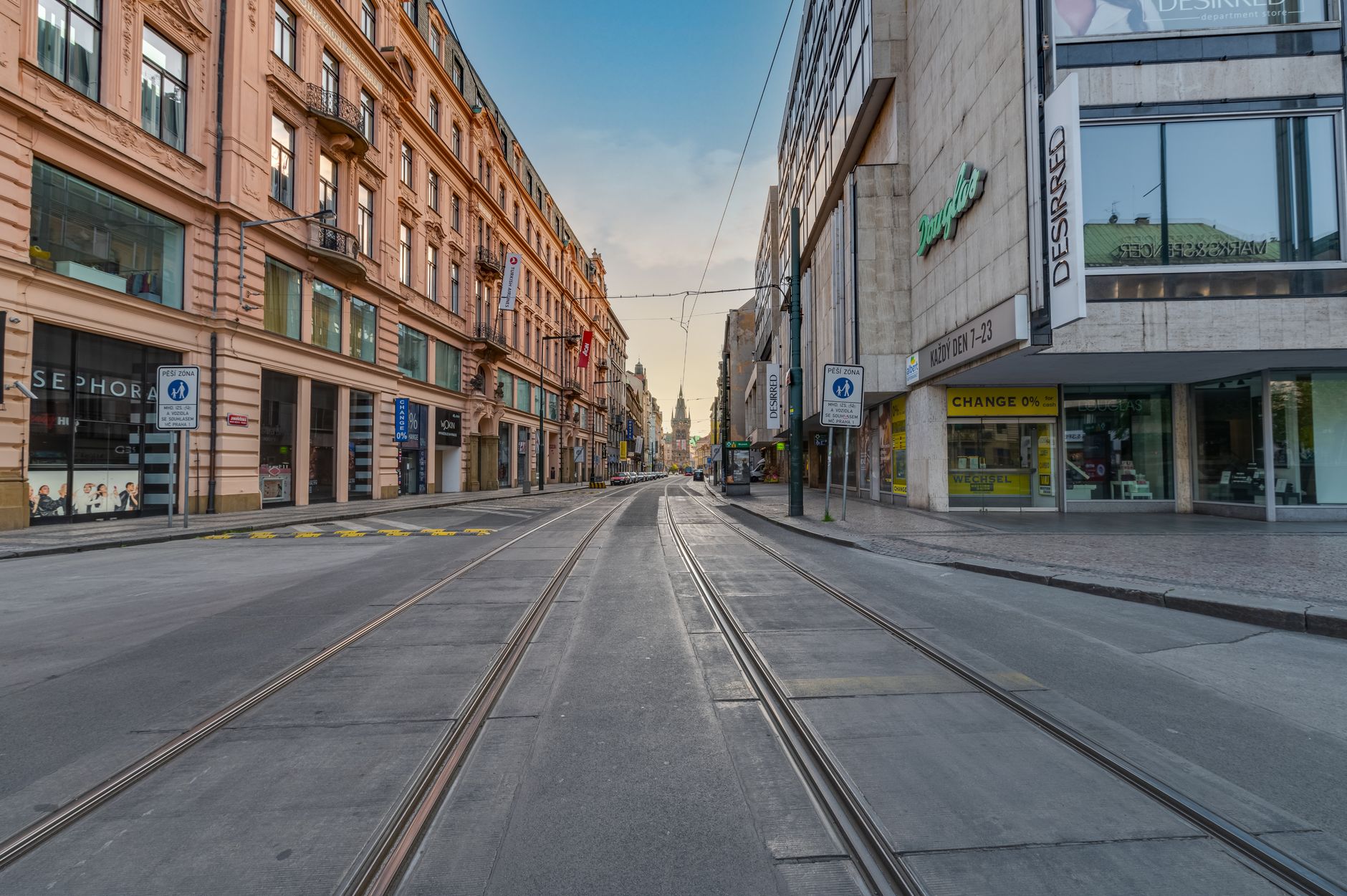
What makes a high street a ghost town?
A high street becomes a ghost town when vacancy is no longer the problem but the character. Empty units can be refilled. What is harder to restore is the pattern of use that made a centre recognisable: the daily footfall, the mix of trades, the landmarks everyone used to arrange to meet beneath.
Three forces do the damage, and they feed each other. Retail collapse removes the anchor stores, which drags down the smaller shops that relied on their crowds. Austerity thins out the council services, libraries, offices and cleaning budgets that kept a centre looking cared for. Speculative ownership then locks the result in place, because a unit held empty by a distant investor, valued on paper at a rent nobody will pay, never reaches a new tenant.
Three centres, three ways of vanishing
The towns are not identical, and lumping them together hides what is distinctive about each. The table below compares the pattern as it is widely understood, not as measured by any one survey.
| Place | Main wound | What was lost | What replaced it |
|---|---|---|---|
| Hartlepool | Retail decline in a deprived town, with a heavy reliance on a few shopping streets | Familiar chains and the habit of shopping locally | Vacant units, charity shops, regeneration plans |
| Middlesbrough | Anchor shops leaving and a centre competing with out-of-town retail | The department-store pull of the centre | Redevelopment schemes, offices and public-sector reuse |
| Grimsby | A centre stranded as the fishing economy shrank around it | The trade that gave the town its purpose | Empty arcades and a centre searching for a reason to exist |
Hartlepool: the shopping habit breaks
Hartlepool’s difficulty is that its centre depended on people having both money and the habit of walking in. When household budgets tighten, the weekly trip to town is the first thing to go. Cheaper units fill with charity shops and discount stores, which keep the lights on but do not make a destination.
Middlesbrough: the pull weakens
Middlesbrough shows what happens when the biggest names leave. A centre needs one or two reasons that draw everyone in, and the small traders live off the overspill. Take the draw away and the overspill stops. Councils have responded with redevelopment and by bringing in public-sector uses, which is sensible, but an office is not a shop and does not behave like one at five past one on a Saturday.
Grimsby: the centre outlives its reason
Grimsby is the most haunting of the three, because the town’s identity was bound to fishing and the docks. When that economy shrank, the centre lost its story as well as its customers. A high street can survive losing a shop. It struggles to survive losing the thing the whole town was for.
Why do speculative owners keep units empty?
Speculative owners often keep units empty because the building’s value on a balance sheet depends on a high rent that has never been cut. Letting cheaply to a local trader can force the owner to revalue the whole property downwards. An empty shop, absurdly, can look better on paper than a busy one on a low rent.
That is why the shuttered look persists even where there is demand. Local authorities have had some tools to push back, including compulsory purchase and, more recently, high street rental auctions in England, which let councils force long-vacant premises into use. Whether they are used often enough is a question for each council, and you can read the current position on GOV.UK.
Who should pick which fix?
No single remedy suits all three towns, so it helps to match the cure to the wound.
- Hartlepool-type centres need people with money to spend and reasons to stay: housing in the centre, markets, small cheap units for local makers.
- Middlesbrough-type centres need a new anchor, whether a college, a health hub or civic offices, so that footfall returns before shops do.
- Grimsby-type centres need a story as well as a plan, and that means building on the heritage and the working waterfront rather than papering over it.
The same warning applies everywhere. A town that treats an empty centre purely as a property problem will keep getting property answers: a flattened site, a render, a hoarding with a smiling family on it. The living things, the traders, the regulars, the sense of a shared place, do not come back on a developer’s timetable. Britain’s wider losses of the same kind, quiet and gradual until suddenly total, are described in our look at the collapse of British wildlife.
If you live in one of these places, the most useful step is local and unglamorous: find out who owns the longest-empty unit on your high street, ask your council whether it has used its powers on it, and spend one regular errand a week with an independent trader who is still there.