

The best British folk horror films are not really about monsters. They are about soil. Britain keeps returning to The Wicker Man, Witchfinder General and Penda’s Fen because we are an island of ploughed-over battlefields, buried kings and field boundaries older than the churches, and some part of us suspects the ground remembers.
It is late November, the clocks have gone back, and the dark arrives before the school run is over. This is the season for it. Here are the reasons the genre refuses to stay buried, each with a film to prove it.
The land is older than we are
Walk across almost any English field and you are walking over something: a barrow, a Roman road, a plague pit, a lost village. Folk horror takes that ordinary fact and gives it teeth. In Blood on Satan’s Claw (1971), a farmer ploughs up a deformed skull and the village slowly rots into devotion. Nothing supernatural needs to be explained. The earth simply gave something back.
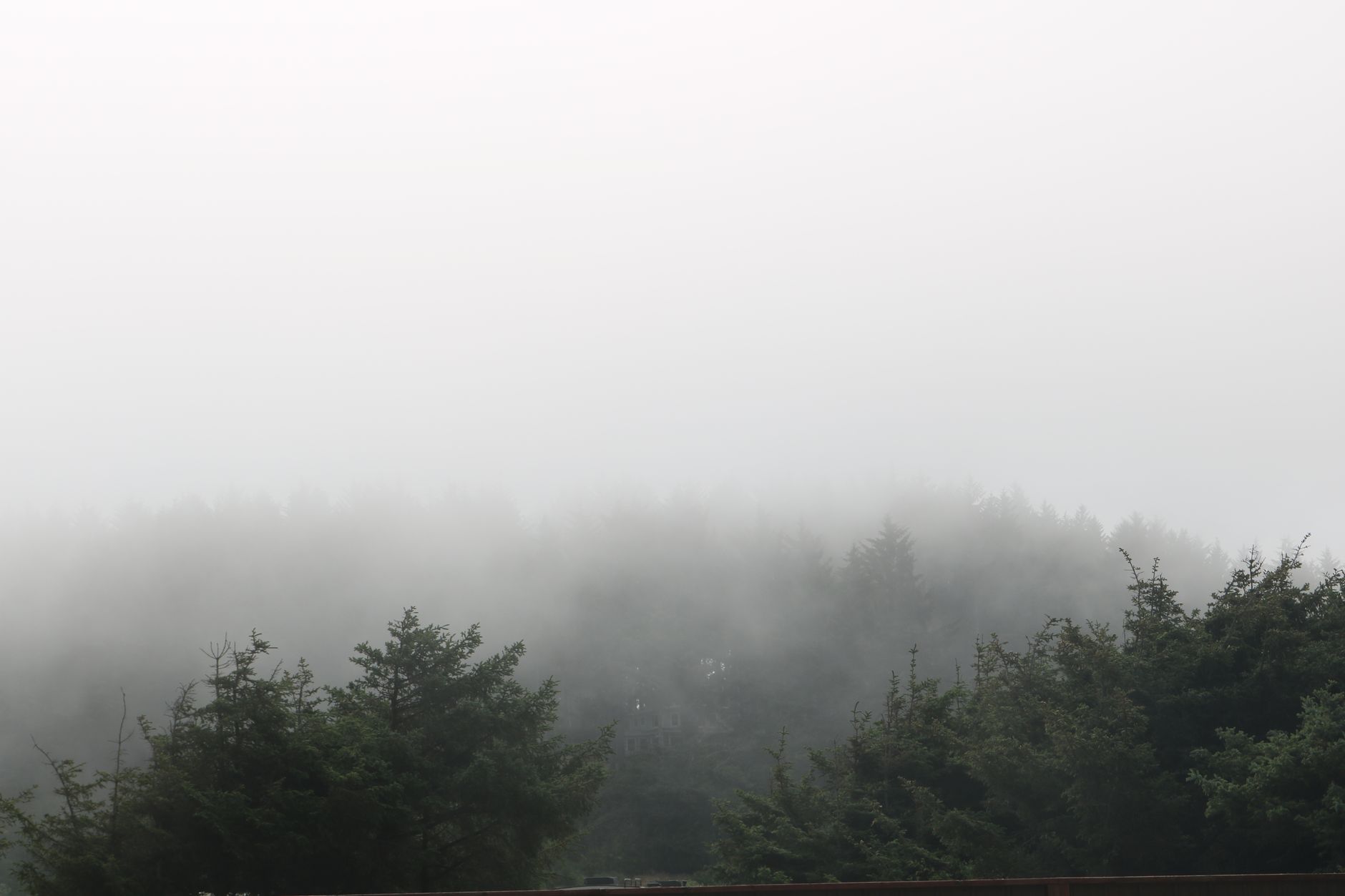
Rural Britain is a place outsiders get lost in
The Wicker Man (1973) is the template. Sergeant Howie arrives on Summerisle with his rules, his faith and his certainty, and every one of them is politely dismantled. The horror is courtesy. The islanders never need to raise their voices because they have home advantage and the calendar on their side. Anyone who has felt stared at in a village pub, however friendly, knows a faint echo of it.
The past was never properly finished
Penda’s Fen (1974), written by David Rudkin and directed by Alan Clarke for the BBC’s Play for Today, follows a Worcestershire vicar’s son whose certainties crack open under visions of angels, demons and a long-dead Mercian king. It is stranger and gentler than most horror, and it argues that England’s buried history is not dead, only waiting. The film is the reason the genre feels more like haunting than splatter.
Television taught a generation to be afraid of fields
Much of the revival’s audience was raised on British broadcasting that scared children by accident or design. Play for Today, ghost stories at Christmas and the public information films that left a mark on Seventies and Eighties childhoods all taught the same lesson: the quiet countryside is not safe. When people say folk horror feels familiar, some of that is nostalgia for being frightened at home on a school night.
Distrust of the official version
Witchfinder General (1968), with Vincent Price as the opportunist Matthew Hopkins, sets its cruelty in the English Civil War. The most frightening figure is not a witch but a man with a licence and an appetite. Folk horror often turns on the same suspicion: that authority, the church and the squire will explain away what the village already knows. In an age of eroded trust, that lands.
Anxiety about where we live now
The recent revival tracks real unease. Midsommar (2019) is Swedish in setting but unmistakably in the Wicker Man tradition. Ben Wheatley’s Kill List (2011) and A Field in England (2013) wrap the genre around modern dread and Civil War delirium. Rural isolation, second homes, hollowed-out villages and a fear of belonging nowhere all feed it. Folk horror lets us ask who the land belongs to without writing a policy paper.
A watchlist for long November nights
If you want the best British folk horror films in a sensible order, I’d start gently and work towards the strange. Here is how I’d spread them across a month of dark evenings.
- Penda’s Fen (1974): a sombre, visionary start. Best watched alone with the lights low.
- The Wicker Man (1973): the centrepiece. Watch the final cut if you can.
- Witchfinder General (1968): bleak, brutal and historically minded.
- Blood on Satan’s Claw (1971): the pulpiest of the unholy trinity, and the most unsettling in its first half.
- A Field in England (2013): black-and-white, hallucinatory and short on comfort.
- Kill List (2011): a hitman drama that curdles into something ancient. Not for the squeamish.
The BBC’s archive pages for Play for Today and its ghost story adaptations are worth a browse for further reading; see the BBC programmes archive for what is currently available.
Why does folk horror keep coming back to Britain?
Folk horror keeps returning because Britain is a small, crowded, very old country where nearly every landscape has been worked over for thousands of years. Each generation of filmmakers finds its own worry in that: Cold War paranoia in the Seventies, rural decline and mistrust now. The genre is a mirror held up to a field.
My advice: pick one title this week, turn off your phone, draw the curtains and let the dark do its work. Then, in daylight, go for a walk and notice how quiet the hedgerow suddenly seems.



Leave a Reply