There is something almost cruel in the headline. Life expectancy is up. Britain is ageing. People are living into their eighties and beyond in record numbers, and somewhere along the way this became a thing we were supposed to celebrate. But strip back the numbers, look at what the ONS actually publishes, and a far darker picture emerges. The years are there. The health, increasingly, is not.
The UK healthy life expectancy decline is not a projection, not a worry for 2040. It is happening now, quietly and systematically, inside the bodies of millions of people who technically remain alive but who have not felt well in years. I find that genuinely unsettling, in a way that a simple death statistic never quite manages.
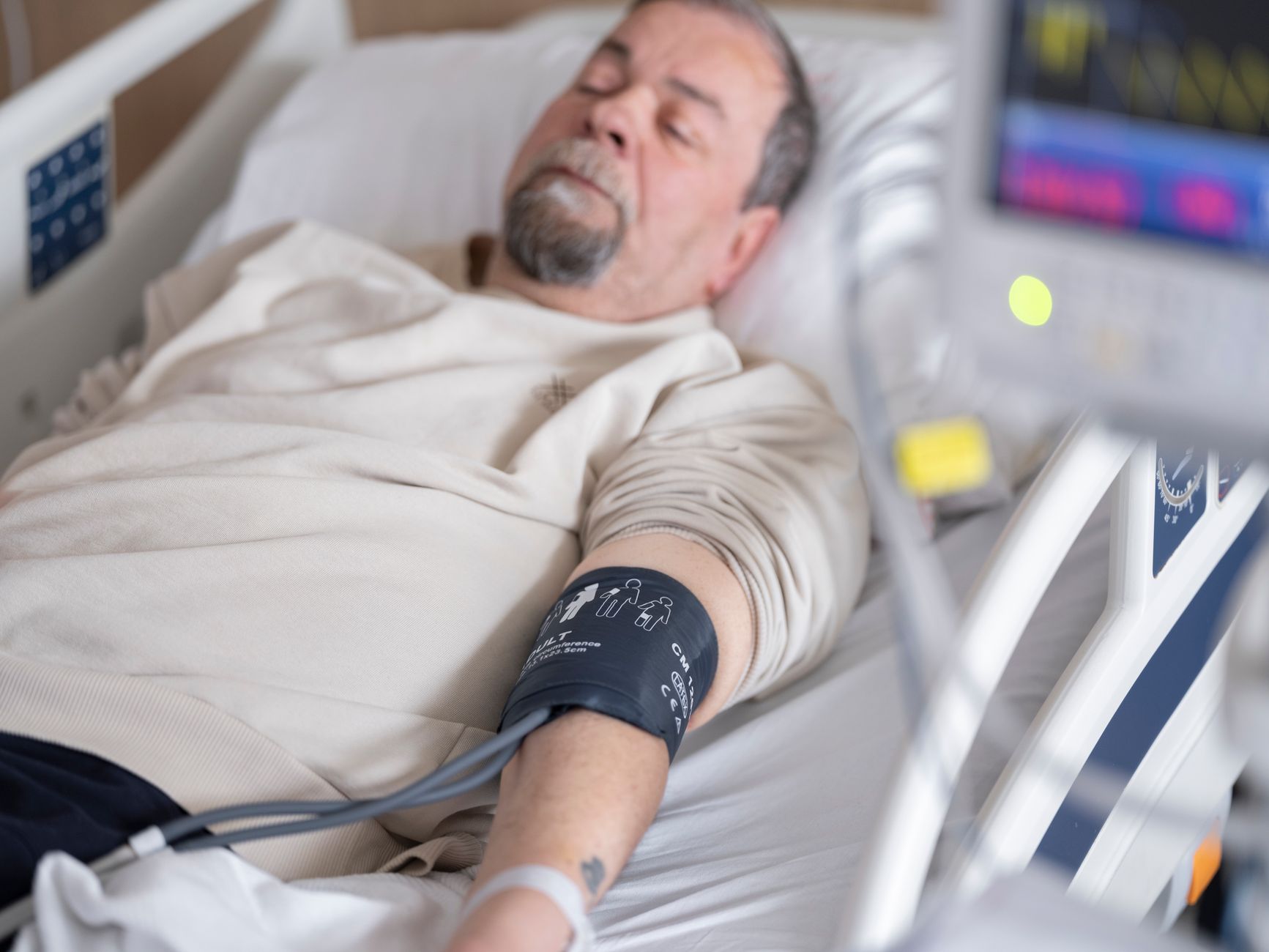
What the ONS figures actually say
According to the Office for National Statistics health state life expectancies bulletin for 2020 to 2022, a boy born in the UK can expect to live to around 78.6 years. A girl, to around 82.6. Those are the headline numbers. The ones that get cited, shared, used to suggest progress.
But healthy life expectancy, defined as the number of years a person can expect to live in “very good” or “good” health, tells a different story entirely. For men, that figure sits at approximately 62.5 years. For women, 63.1. The gap between total life expectancy and healthy life expectancy is therefore roughly 16 years for men and nearly 20 years for women. Two decades, in a woman’s case, spent navigating a body that is working against her. That is not a rounding error. That is a generation of compromised living.
What those extra years actually look like
I think people imagine old age as a slow fade, a gradual dimming. The reality, for a substantial portion of the British population, is far more punishing. The NHS long-term conditions data shows that by the time someone reaches their late sixties, the probability of managing at least one chronic condition, whether that is type 2 diabetes, cardiovascular disease, chronic obstructive pulmonary disease, or musculoskeletal pain, is extremely high. By their mid-seventies, many are carrying two or three simultaneously.
These are not background inconveniences. Chronic pain limits mobility. Cognitive decline erodes independence. Heart failure means entire days organised around breathlessness and fatigue. The NHS currently has around 15 million people in England living with one or more long-term conditions, a figure that consumes around 70 per cent of the NHS budget and continues to grow. That is the real texture of those borrowed years.
Why healthy life expectancy is falling behind
Several forces are pulling in the same direction, and none of them are cheerful. Ultra-processed food has restructured British diets in ways that accelerate metabolic disease. Physical inactivity, particularly stark in deprived areas, compounds it. The collapse of preventative care, hollowed out through years of NHS pressure and understaffing, means conditions that might once have been caught and managed early are instead presenting late, badly, with complications already established.
There is also the inequality dimension, which the ONS data lays bare with particular bleakness. A man living in Blackpool has a healthy life expectancy roughly 19 years lower than a man in the London borough of Richmond upon Thames. Same country. The same NHS in name. But those two men are ageing inside entirely different biological realities, shaped by income, air quality, housing, stress, and access to care. The UK healthy life expectancy decline is not evenly distributed. It falls heaviest on those who already have least.
The sleeplessness connection nobody talks about
One thread worth pulling at is how chronic illness and poor sleep form a feedback loop that accelerates physical deterioration. Persistent pain disrupts sleep. Disrupted sleep worsens inflammation, impairs immune function, and raises cardiovascular risk. I wrote about this dynamic recently in a piece on the dark science behind Britain’s worsening insomnia epidemic, and what struck me most was how many of the people worst affected are older adults already managing long-term conditions. The body becomes a system of compounding failures. Each problem makes the others harder to bear.
The ecosystem around us is also declining
There is a wider, stranger resonance to all of this too. The degradation of human health does not happen in isolation. Britain’s natural environment is under simultaneous pressure, its biodiversity collapsing in ways that affect air quality, mental health, and the basic psychological restoration that green space provides. I explored some of that in an earlier piece on what Britain’s collapsing biodiversity actually looks like, and there are uncomfortable parallels: systems that look intact from a distance, quietly failing from within.
Who carries the weight of these borrowed years
The practical consequences fall on a relatively small number of people. Informal carers, most of them women, most of them in their forties and fifties, who reduce their own working hours or abandon employment entirely to look after ageing parents. The NHS, already operating under structural strain. And the individuals themselves, who perhaps expected retirement to look like something other than a slow negotiation with their own decline.
There is a cultural silence around this. We speak freely about living longer. We do not speak as readily about what it means to be bedridden at seventy-four, or to lose the ability to leave your terraced house unassisted at seventy-one. The language around ageing in public discourse is relentlessly optimistic, full of active retirees and grey travellers. That is not wrong, exactly, but it is incomplete to the point of distortion.
Is anything being done about it
The government’s NHS Long Term Plan identified prevention as a priority, and there are genuinely promising programmes around early intervention for cardiovascular disease and diabetes. But the structural conditions that drive poor health, poverty, inadequate housing, food insecurity, are not medical problems with medical solutions. The pattern of things being quietly shelved in British public life applies here too, in a way. Prevention is underfunded precisely because its successes are invisible, while its costs are immediate.
What the ONS data tells us, without sentiment, is that Britain is producing more years of human life while producing fewer years worth living fully. The borrowed years are real. They cost something. And right now, the people spending them are largely paying that cost alone.